Adventure travel once evoked images of climbing remote peaks, crossing deserts or tackling white-water rapids. Increasingly, it can mean something much less extreme: cycling through rural villages, joining a small-group food tour, watching wildlife or simply choosing a slower route through an unfamiliar place.
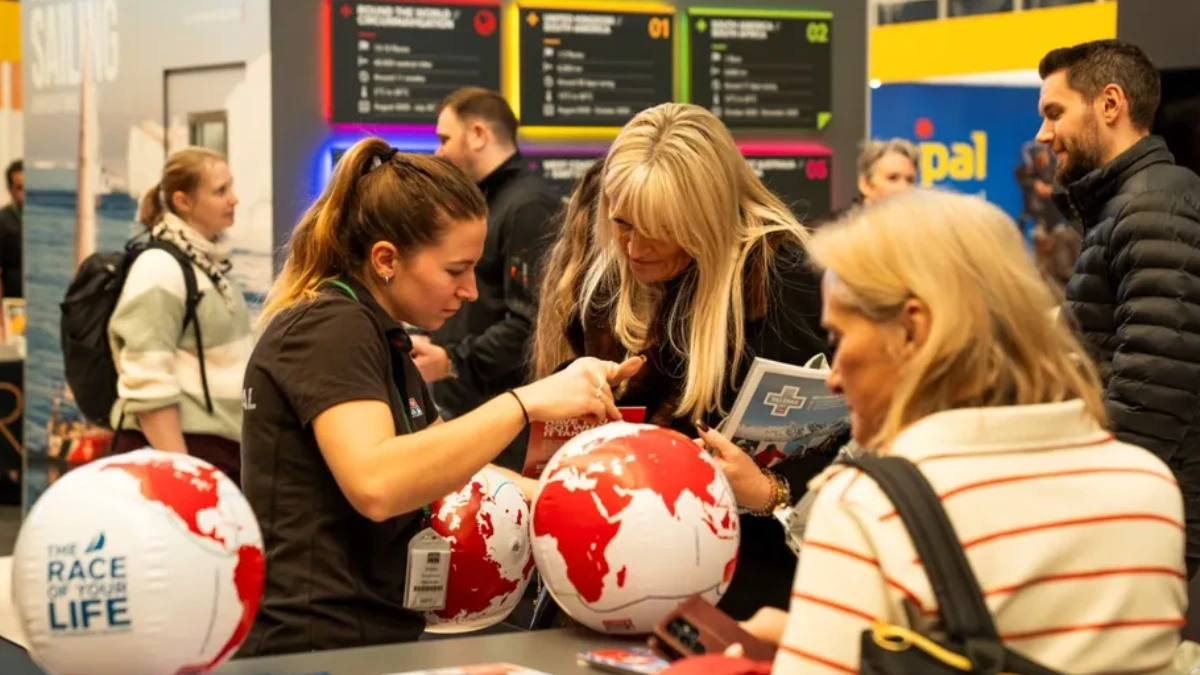
That broader definition will be visible when the Adventure Travel Show returns to London on January 9 and 10, 2027. The event is promoting everything from solo trips and overland journeys to culinary experiences, small-ship cruises, wildlife travel and gravel cycling.
The change reflects a wider shift in the travel market.
Research from the Adventure Travel Trade Association shows that travelers continue to prioritize new experiences, cultural connection and places away from heavily traveled routes. Hiking remains popular, but so do culinary experiences, e-bike trips, cultural travel and wellness-focused journeys.
Adventure, in other words, is becoming less about physical difficulty and more about how a trip is experienced.
A much bigger group now considers itself adventurous
The shift matters because it dramatically expands the potential audience.
ATTA’s 2026 research values the European outbound adventure travel market at about $464 billion. Crucially, the organization does not define that market only through traditional adventure sports. Its research includes travelers who may add nature, culture or active experiences to a trip even when adventure is not its primary purpose.
That helps explain why food, culture and wildlife now sit comfortably alongside trekking and cycling in adventure travel research.
The same study identifies a broad group of travelers who are “open to adventure,” including people interested in locally rooted experiences but who may have little interest in physically demanding expeditions.
The Adventure Travel Show reflects that definition. Its 2027 program ranges from Arctic cruising and wildlife trips to cultural and culinary travel, while organizers explicitly describe part of the market as a “softer type of adventure.”
Cycling shows how the definition is widening
The growing role of cycling offers another example.
The London event will again run alongside the Gravel & Adventure Bike Expo, covering everything from beginner-level cycling trips to long-distance and transcontinental riding. The program includes bikepacking, touring, gravel bikes and travel operators specializing in journeys on two wheels.
Not every visitor is preparing to cross a continent.
For many travelers, the attraction of a gravel bike or walking route is simply that it provides a different way to experience a destination, moving more slowly and reaching places that conventional sightseeing may miss.
That idea also appears in longer-term industry data. ATTA says custom itineraries, remote destinations and specialist-guided trips have remained consistently popular, while culinary-focused travel has gained ground and softer adventure trips have moved into the most in-demand categories in recent years.
The result is a category that increasingly overlaps with mainstream tourism.
Travelers can still climb mountains, paddle rivers or cross continents. But they can also choose a small-group cultural trip, a wildlife journey or a cycling holiday and find themselves inside the same expanding definition of adventure.
The Adventure Travel Show 2027 will take place at the Business Design Centre in London on January 9 and 10, with more than 125 travel specialists and destinations currently listed by the organizer.